| 2026年7月10日(Fri) |
| TOKYO GLOBAL GATEWAY (TGG) |
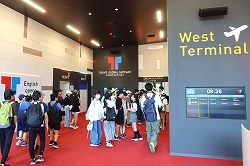
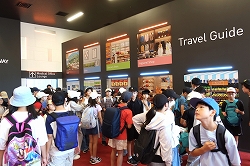
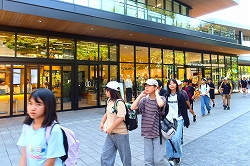
| Our sixth-grade students took part in a one-day experiential learning
program at TOKYO GLOBAL GATEWAY (TGG), from approximately 9:30 a.m. to
3:45 p.m. Throughout the day, they experienced the joy of expressing themselves
in English and developed practical communication skills through a variety
of activities. |
 |
 |
 |
 |
|
|
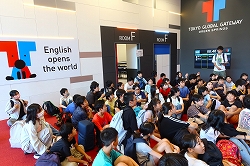
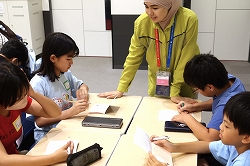
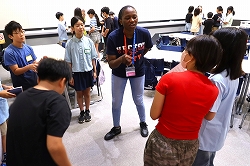
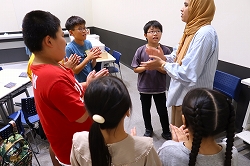
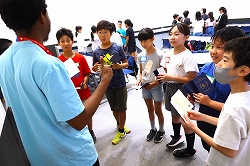
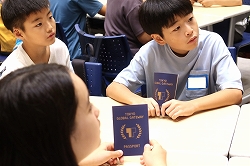
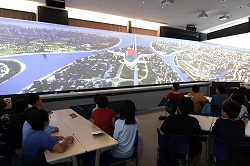
| Team Building |
| The day began with team-building activities. Through self-introductions, gestures, and games, the students enjoyed communicating in English and quickly formed strong bonds with their teammates. |
 |
 |
 |
 |
 |
 |
|
|
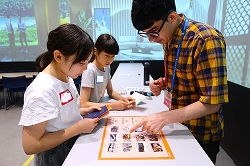
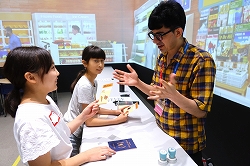
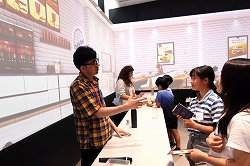
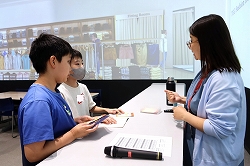
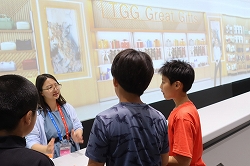
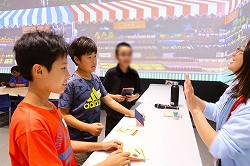
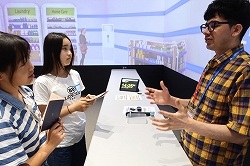
| Shopping Scene |
| The students experienced shopping in English while working with their
friends and interacting with the shop staff. |
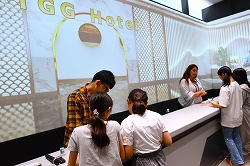
| At the Hotel, they requested a particular type of room and practised checking
in. |
 |
 |
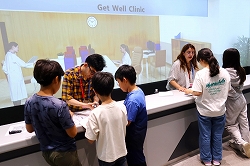
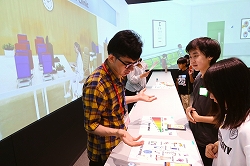
| At the Clinic, they explained where they felt pain and described their
symptoms. |
 |
 |
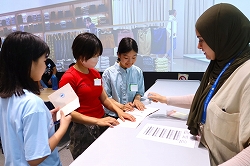
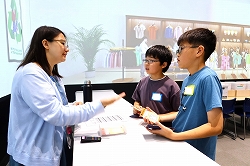
| At the Fashion House, they asked for the clothes they wanted and specified
the color, size, and style. “I’d like a T-shirt, please.” “What size would
you like?” “What color would you like?” |
 |
 |
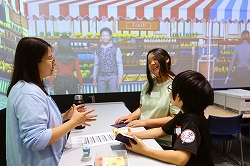
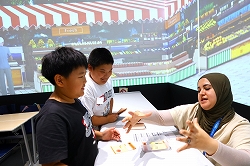
| At the Farmers Market, they selected fruits and vegetables and specified
the type and quantity they wanted to buy. “May I have some strawberries,
please?” “How many would you like?” “Would you like a bag?” |
 |
 |
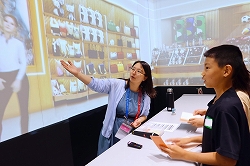
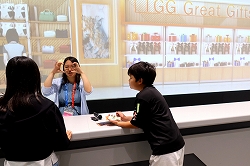
| At Great Gifts, they asked questions about souvenirs and purchased items
such as teddy bears, cups, sunglasses, and soccer balls. “May I have a
teddy bear, please?” “What color would you like?” “How many would you like?” |
 |
 |
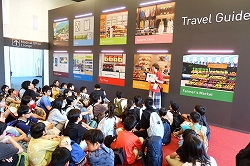
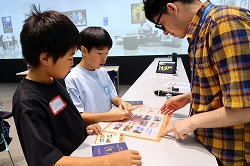
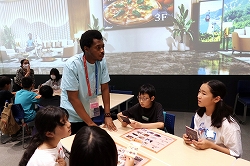
| At the Travel Agency, they discussed the kind of trip they would like to take, such as a mountain, beach, snow, or city trip. |
 |
 |
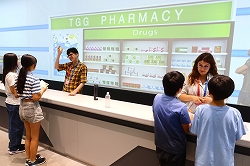
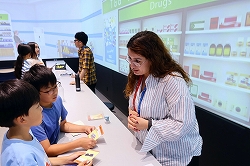
| At the Pharmacy, they described their symptoms and asked about the medicine
they needed. |
 |
 |
|
|
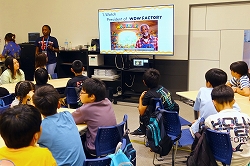
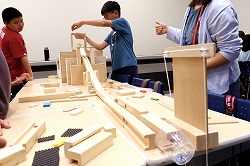
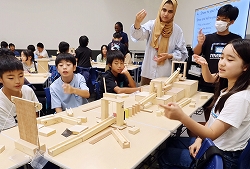
| Chain Reaction |
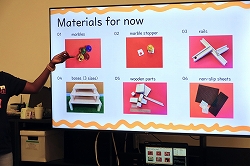
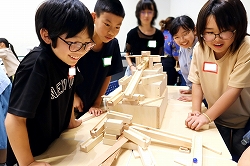
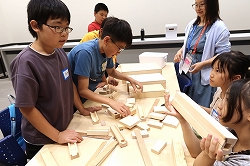
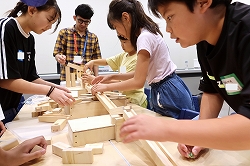
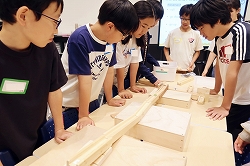
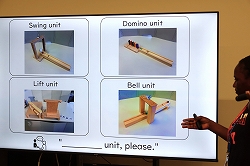
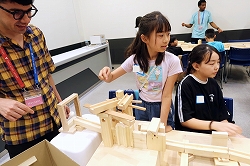
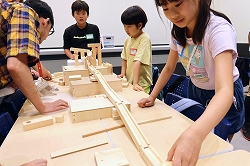
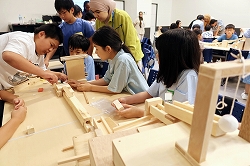
| Working in groups, the students built devices that created a chain reaction,
similar to a Rube Goldberg machine. They used various parts, including
domino, lift, swing, and bell units, and communicated in English as they
explained their designs. |
 |
 |
 |
 |
 |
 |
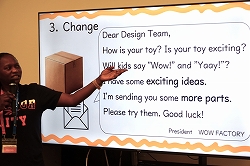
| After completing their first designs, the students received additional parts and worked together to make their devices even more creative and exciting. |
 |
 |
 |
 |
 |
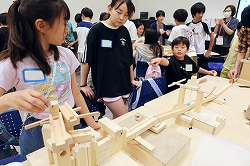 |
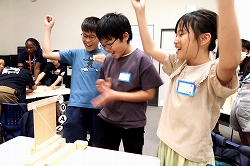
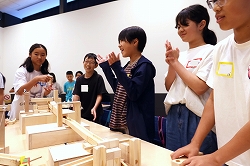
| Finally, each group demonstrated its completed mechanism to the class.
When the devices worked successfully, the room filled with cheers. |
 |
 |
 |
 |
|
|
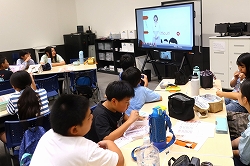
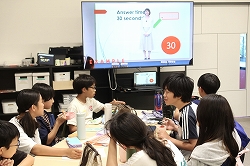
| Lunchtime |
| The students enjoyed their bento lunches while continuing to engage with English through quizzes and other activities. Even during lunchtime, they remained immersed in an English-speaking environment. |
 |
 |
|
|
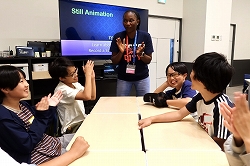
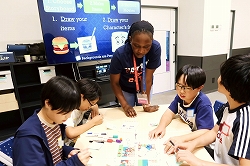
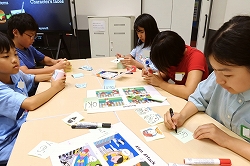
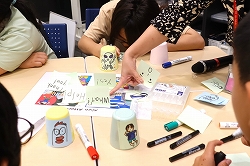
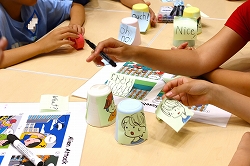
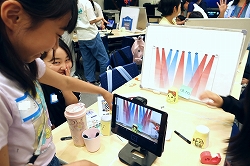
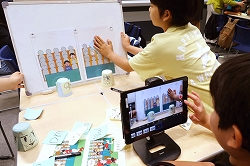
| Still Animation |
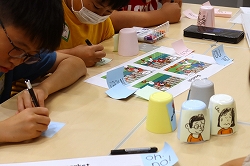
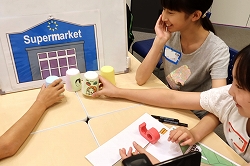
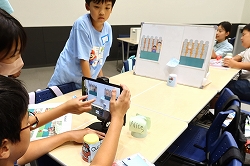
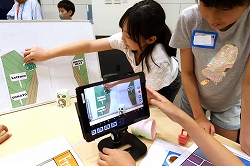
| The students created original stop-motion animations by taking a series
of photographs and connecting them to make moving images. |
 |
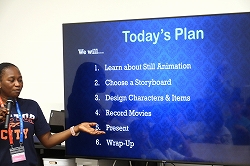 |
| Story — First, they developed a story. Next, they designed the setting and characters. |
 |
 |
 |
 |
 |
 |
| Film — They then took approximately 50 to 60 photographs to produce their
animations. |
 |
 |
 |
 |
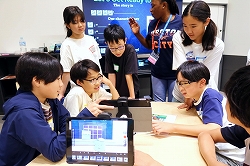
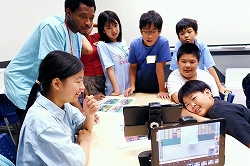
| Screening — The students used simple English expressions in their stories,
including: |
 |
 |
|
|
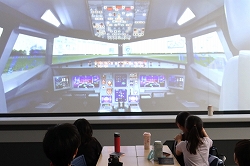
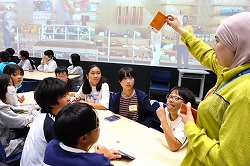
| Global Travel |
| Through these activities, the students learned how to ask questions, explain their needs, and respond appropriately in a variety of real-life situations. |
 |
 |
 |
 |
 |
 |
 |
 |
|
|
| Review and Feedback |
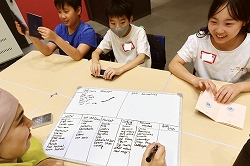
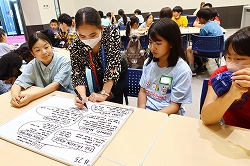
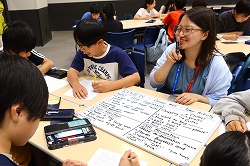
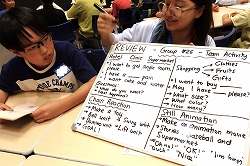
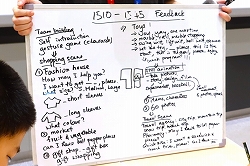
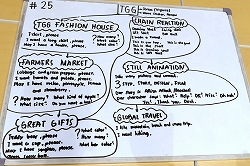
| At the end of the day, the students used whiteboards to review the activities,
English expressions, and new ideas they had learned. They then shared their
reflections and received encouraging feedback from their instructors. |
 |
 |
 |
 |
 |
 |
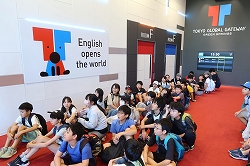
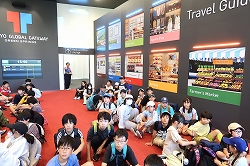
| Surrounded by an atmosphere that felt like another country, the students
spent the entire day immersed in English. It was a valuable experience
that helped them discover both the joy of communicating in English and
the excitement of connecting with people from different cultural backgrounds. |
 |
 |
 |
 |
|
|